Weekly Movie Roundup

I watched 5 movies last week:

Kundun Deadly Friend Sacrifice The Bachelor and the Bobby-Soxer Anguish
  • Kundun doesn’t necessarily approach its story as a believer, and isn’t necessarily hagiography either—a fundamental belief of Tibetan Buddhism is that the Dalai Lama is a man, albeit the reincarnated spirit of the enlightened bodhisattva—but it is very much a lives of the saints portrait of that man and his biography, and as such keeps the audience very much at a distance. The movie is quiet and contemplative, often gorgeous and very well made, but it lacks the energy of so much of Scorsese’s other work, even his other religious movies.
    • Wes Craven’s Deadly Friend had a well-documented troubled production, with test audiences demanding a bloodier horror movie than what Craven delivered, and then the studio demanding cuts when Craven made those changes. The result is an awkward mess. The plot holds together better than might be expected, with only a few spots of clearly missing characters or scenes, but it’s not a plot that’s handled particularly well, and which ends in just the most ridiculous way possible. I haven’t seen all of Craven’s movies, and the ones I have seen admittedly weren’t all perfect—they can’t all be Elm Street or Scream, right?—but I think I can safely say without fear that Deadly Friend is easily the worst one I’ve seen.
      • “Sometimes you can feel the artistry in a movie that doesn’t work,” Matt Zoller Seitz wrote about Sacrifice, and boy howdy was he not wrong. It’s too weird and ambitious and stacked with talent to not be interesting, with some occasionally very funny or clever beats, but it never remotely works as a movie.
        • You may be shocked to learn that a movie with a title like The Bachelor and the Bobby-Soxer is more than a little dated. The three leads—Grant, Loy, and Temple—are all charming, but it’s very much a movie stuck in late 1940s social norms and slang, and as such the comedy hasn’t aged quite so gracefully.
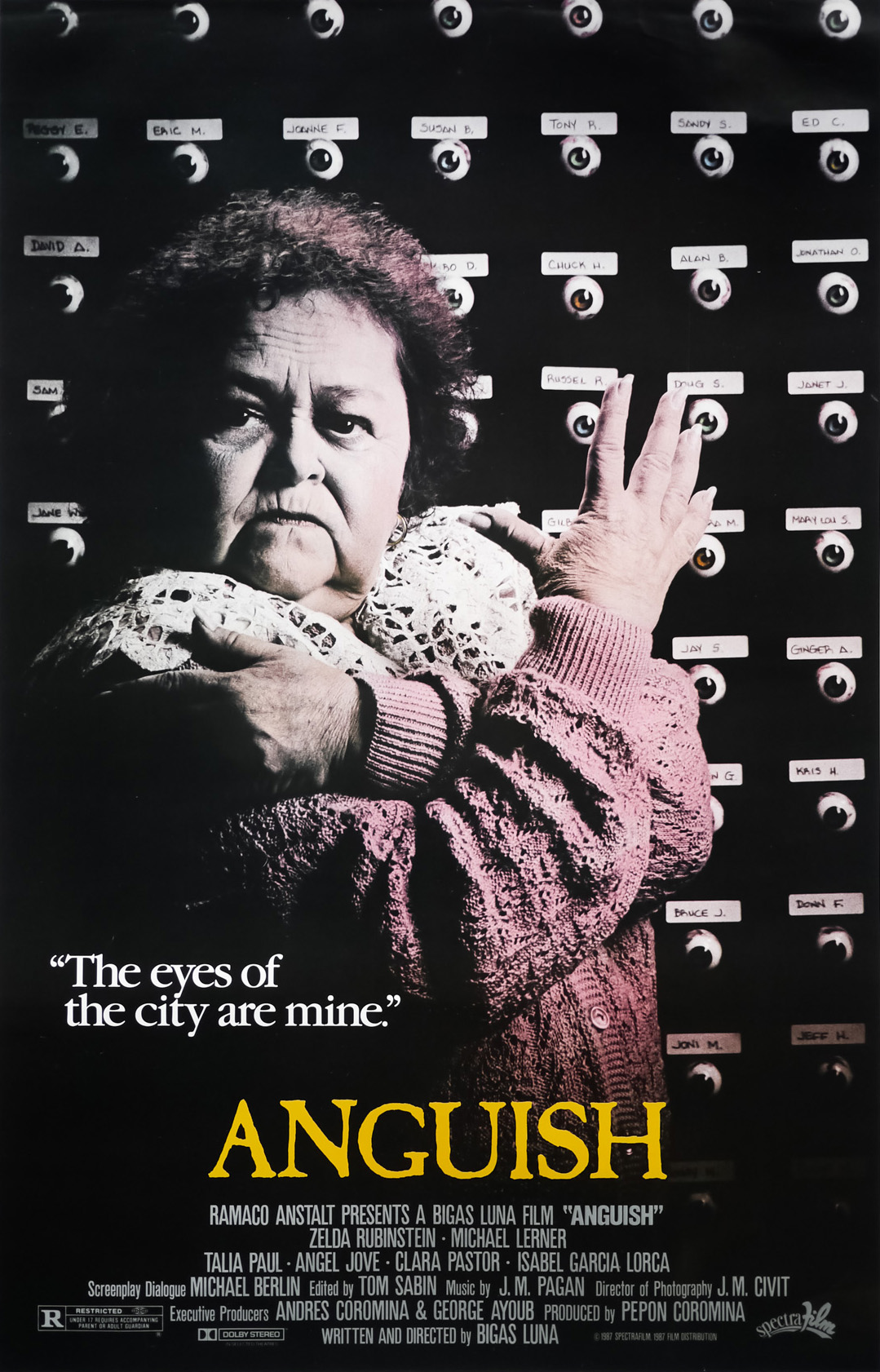
          • How you feel about Anguish may depend on how clever you think its piled-on, nesting-doll meta narrative is. Personally, I found it almost immediately tiring, when it became apparent that was all the movie was going to do.

          I also rewatched 4 movies:
          Silver Bullet Halloween III Contact Night of the Living Dead
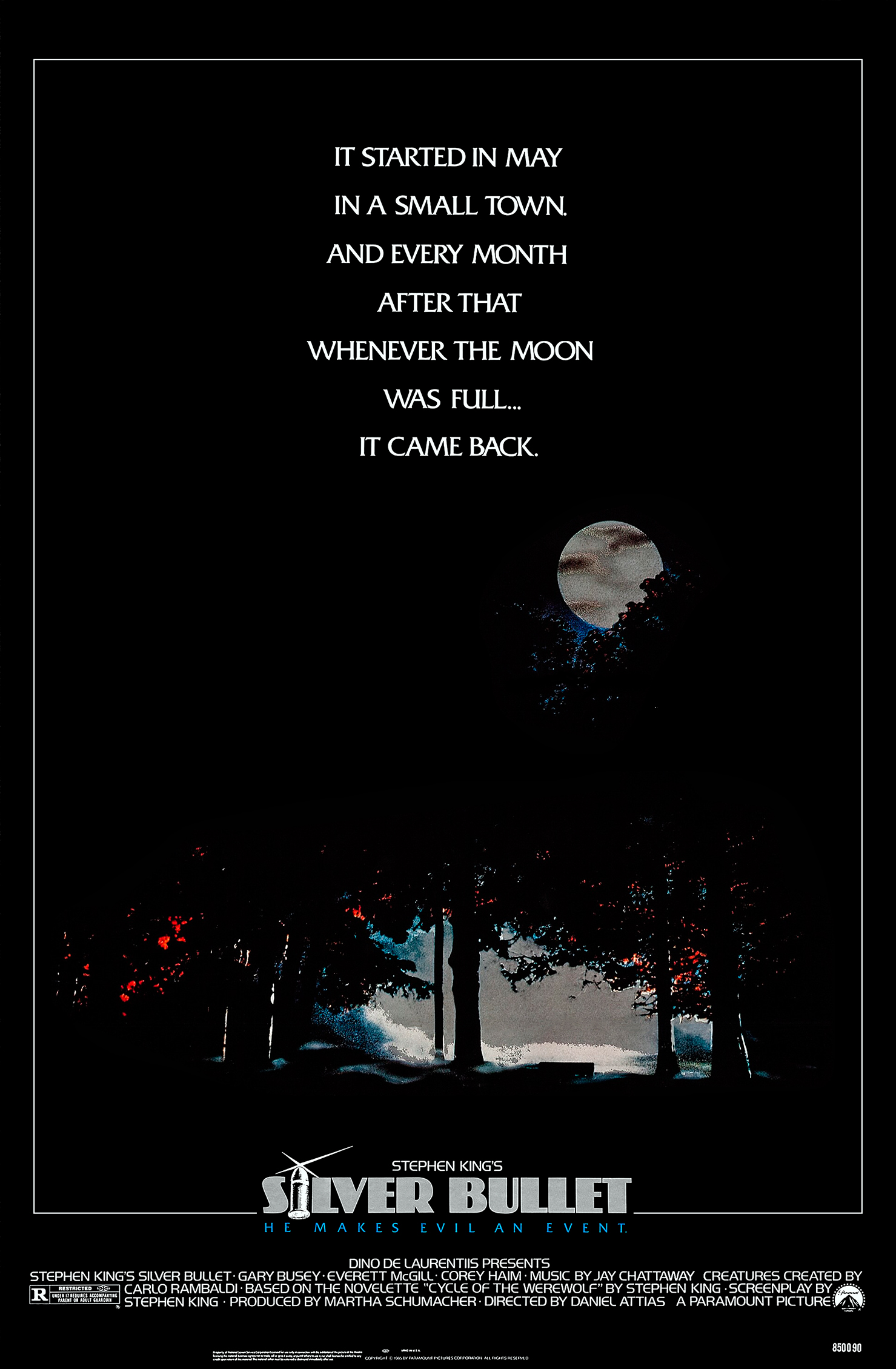
          • Silver Bullet: I liked it a lot less than the version I hazily remember watching when I was maybe ten or eleven. Some of that was the makeup and effects, which aren’t the worst I’ve seen but aren’t very good, but it’s also because it holds together better as a collection of scenes—hence the hazy memory—than as a narrative plot.
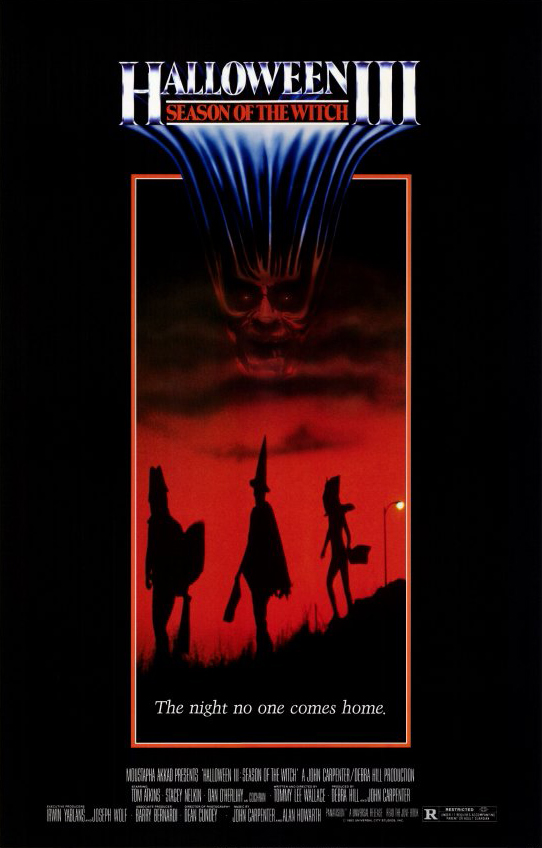
            • Halloween III: Sure, it isn’t a good Halloween movie, but really, only the first Halloween is a good Halloween movie. This entry is sometimes ridiculous, sweaty and low-budget, but it’s really creepy and always a lot of fun.
              • Contact: I’ve probably rewatched this more than once before, but it’s still a great movie, probably one of Zemeckis’ best, and certainly his best movie from the 1990s. At the same time, it is very much a ’90s movie—integrating real television news and media personalities, to say nothing of then president Bill Clinton, lends the film a real verisimilitude, one of its key strengths, but that also makes it feel weirdly dated, or at least out of time, in some respects.
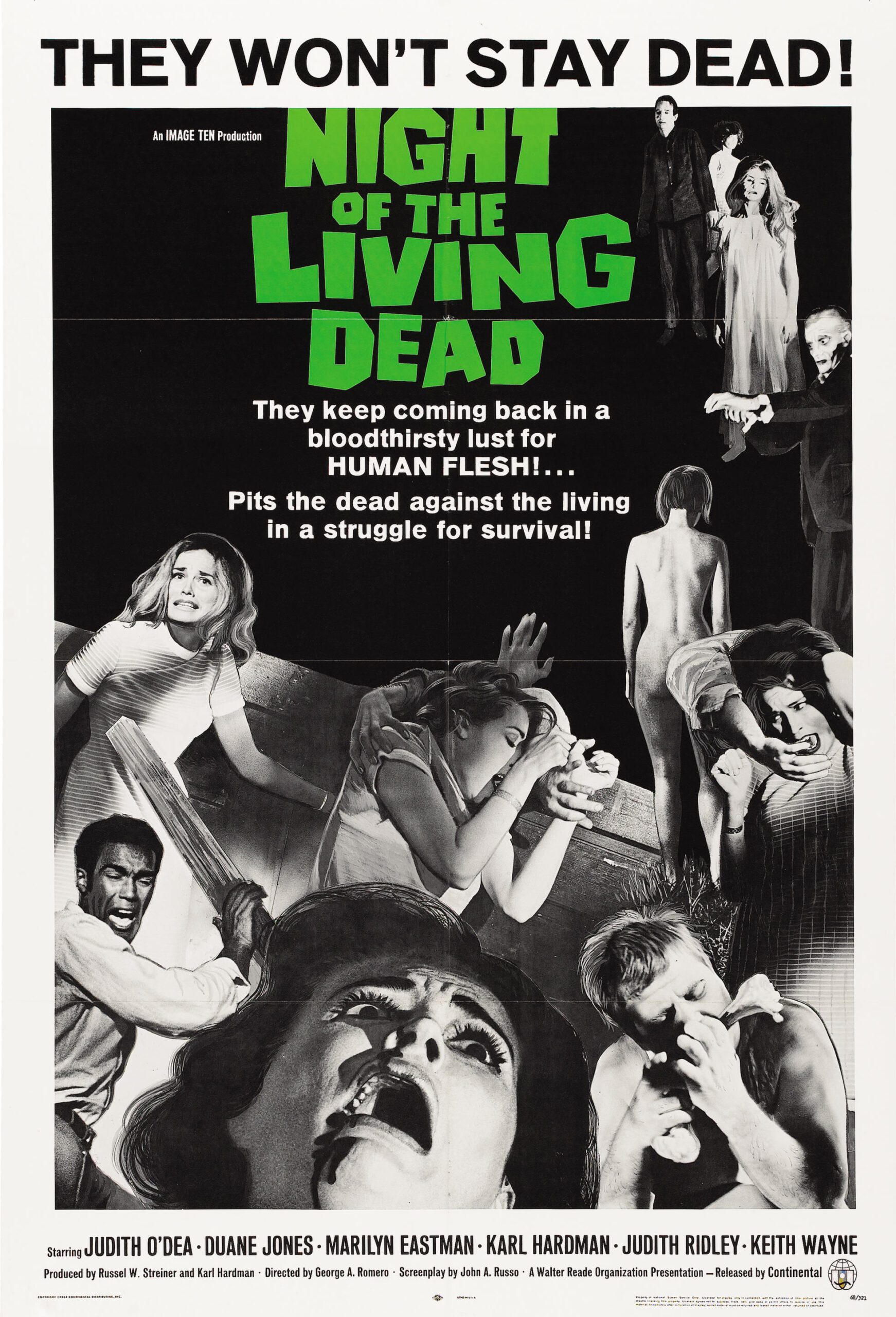
                • Night of the Living Dead: Just a great horror movie, one that feels so much like a turning point in the genre, modernizing the zombie or ghoul, while also birthing a subgenre and everything that was to follow.
                Weekly Movie Roundup

                I watched another 6 movies last week:

                Marama The Car The Naked Kiss
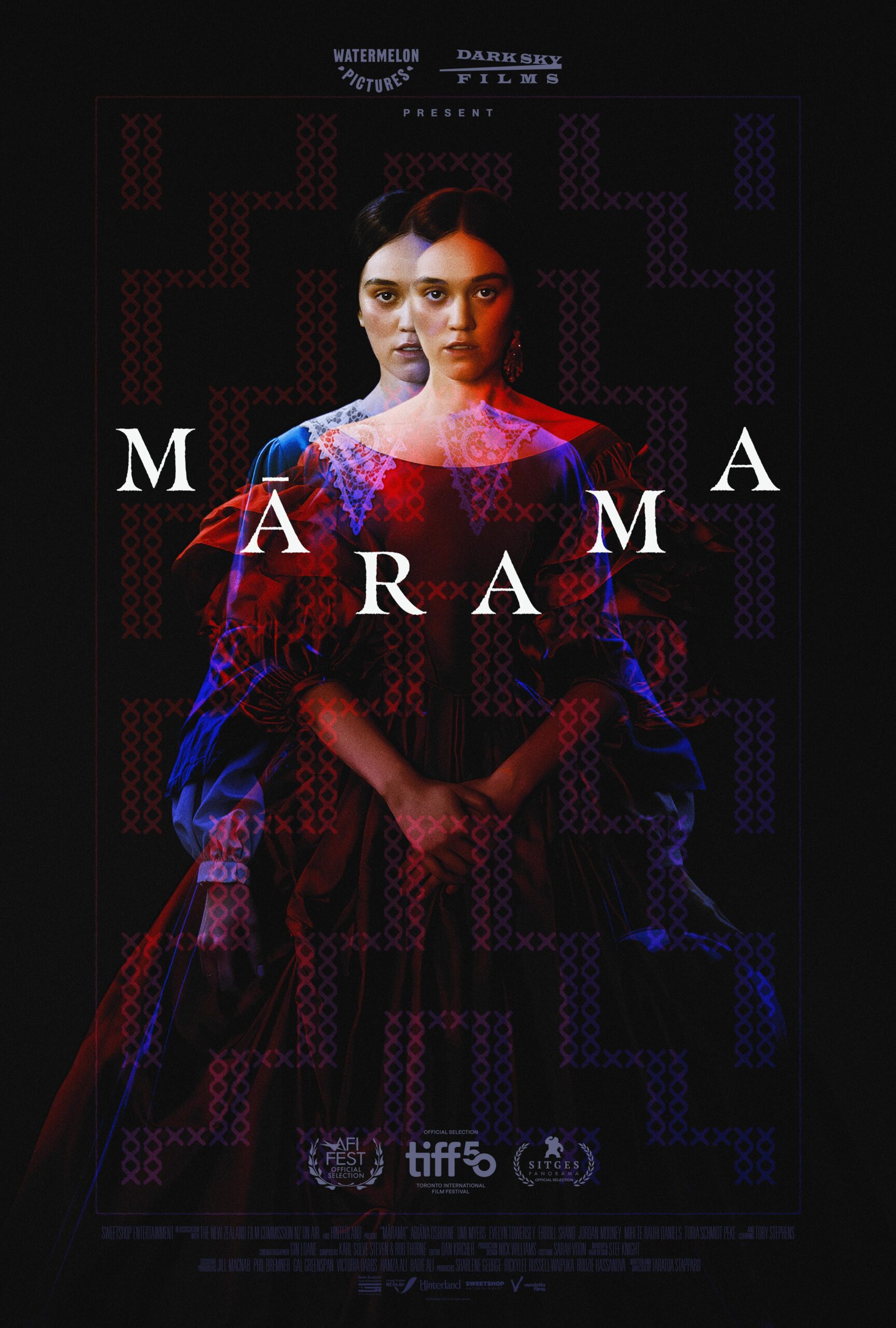
                • M?rama is intense, at times very dreamlike, a beautifully shot debut from writer/director Taratoa Stappard and a fierce performance by Ari?na Osborne.
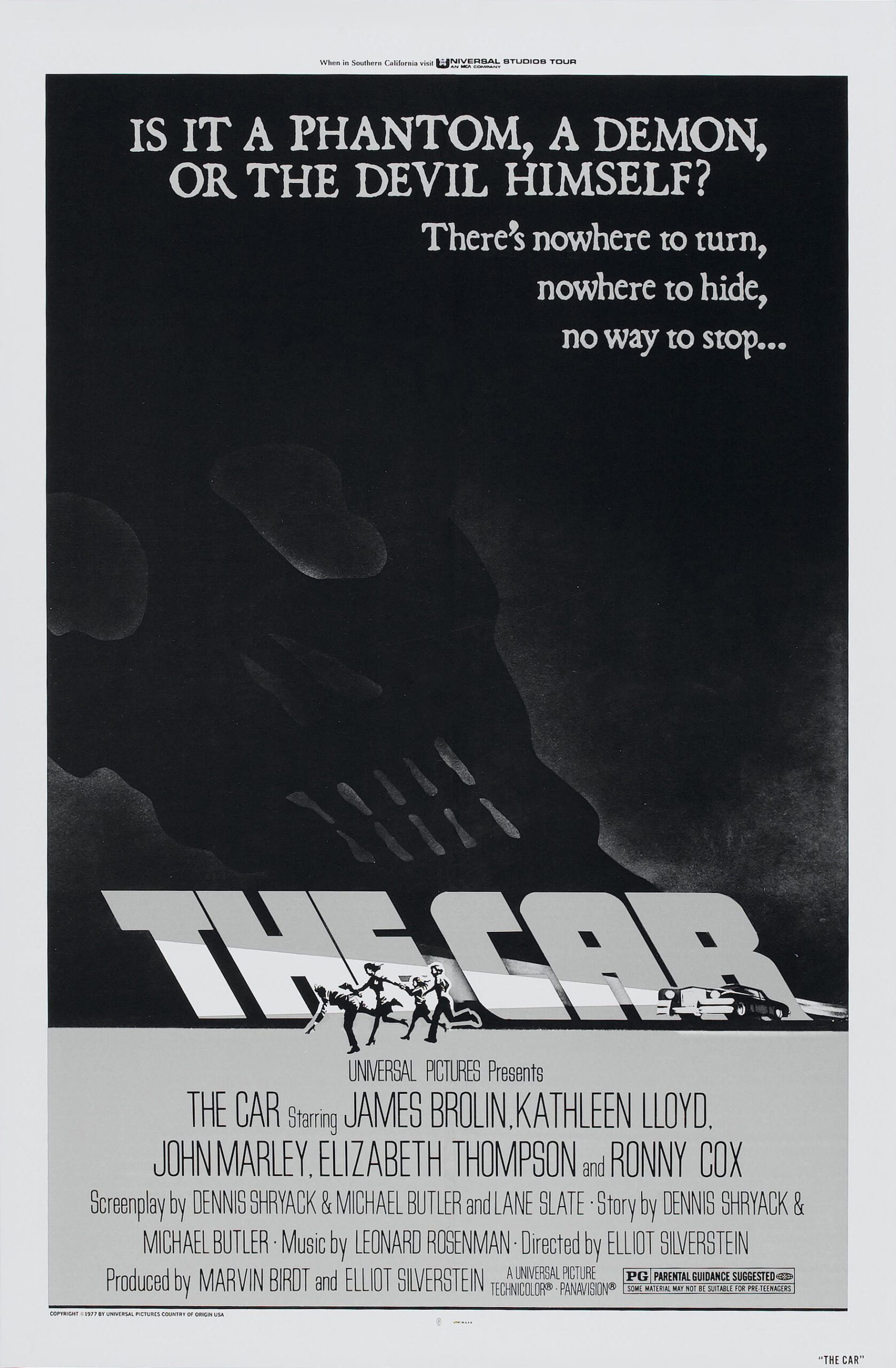
                  • At the time, the New York Times wrote that The Car “has all the ingredients of a parody, although someone has made the mistake of doing it straight.” It’s so very bad—not because the premise is inherently ridiculous, but because it tackles that premise in the least interesting ways possible. The effects are bad, the acting is worse, and the story hews so closely to the Jaws formula without coming close to understanding why Jaws worked.
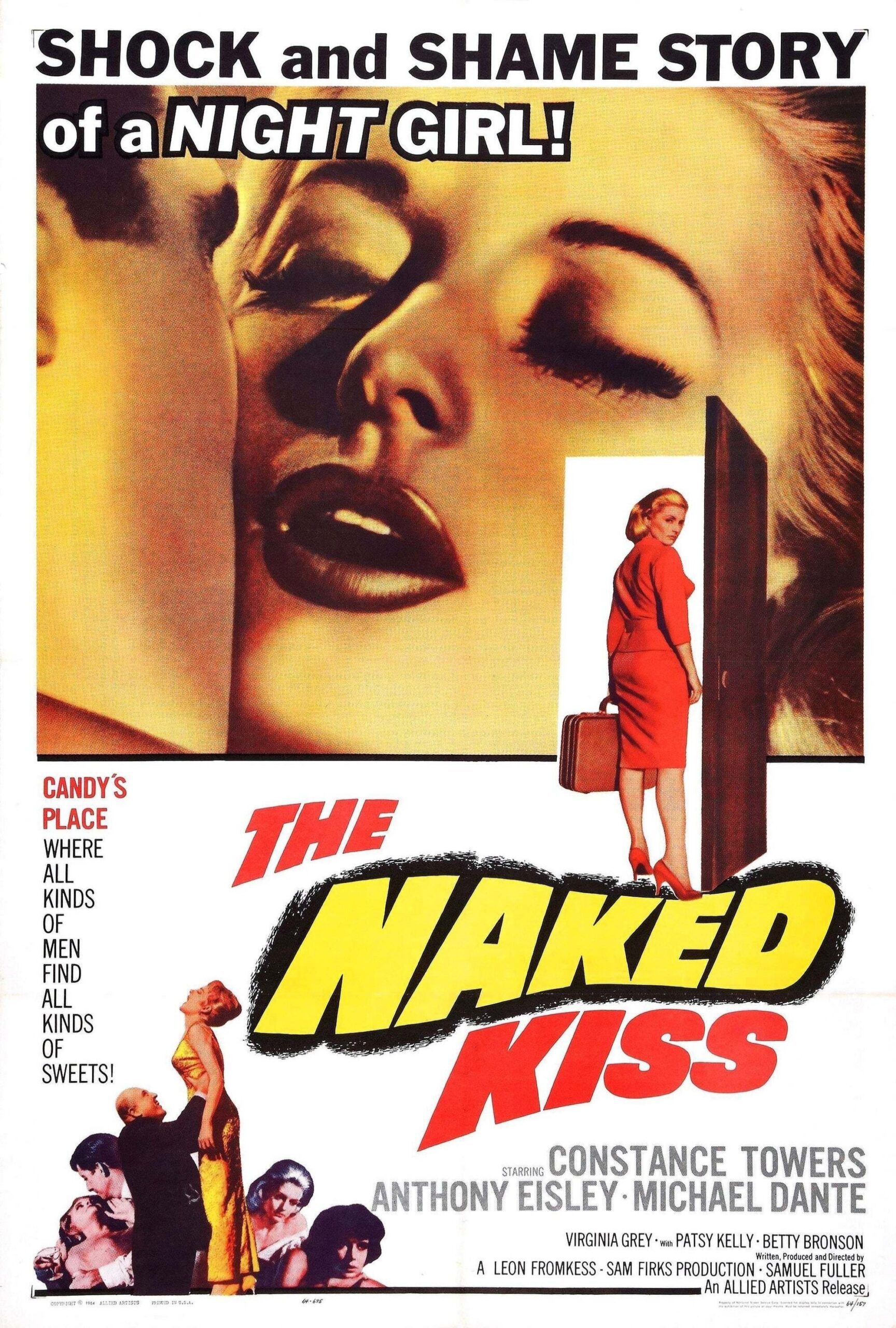
                    • The Naked Kiss is incredibly frank about some very difficult subjects for a movie made in 1964. But at the same time, because it was made in 1964, it doesn’t always tackle those subjects in convincing ways and strays much further into melodrama.
                    Veronika Voss Mademoiselle Fifi Murder by Phone
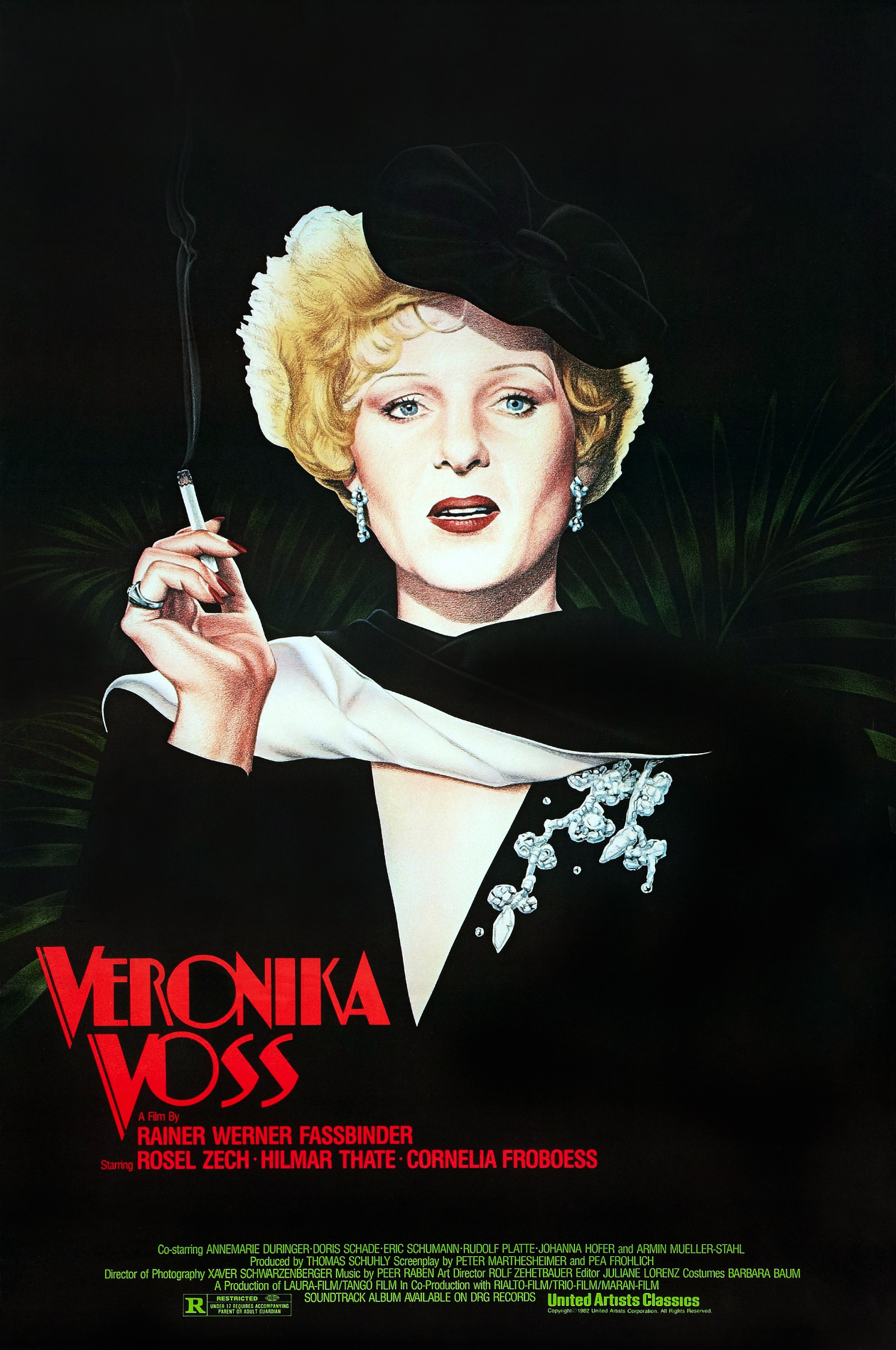
                    • Veronika Voss is a fascinating movie for anyone who thinks Sunset Boulevard is too much of an upper.
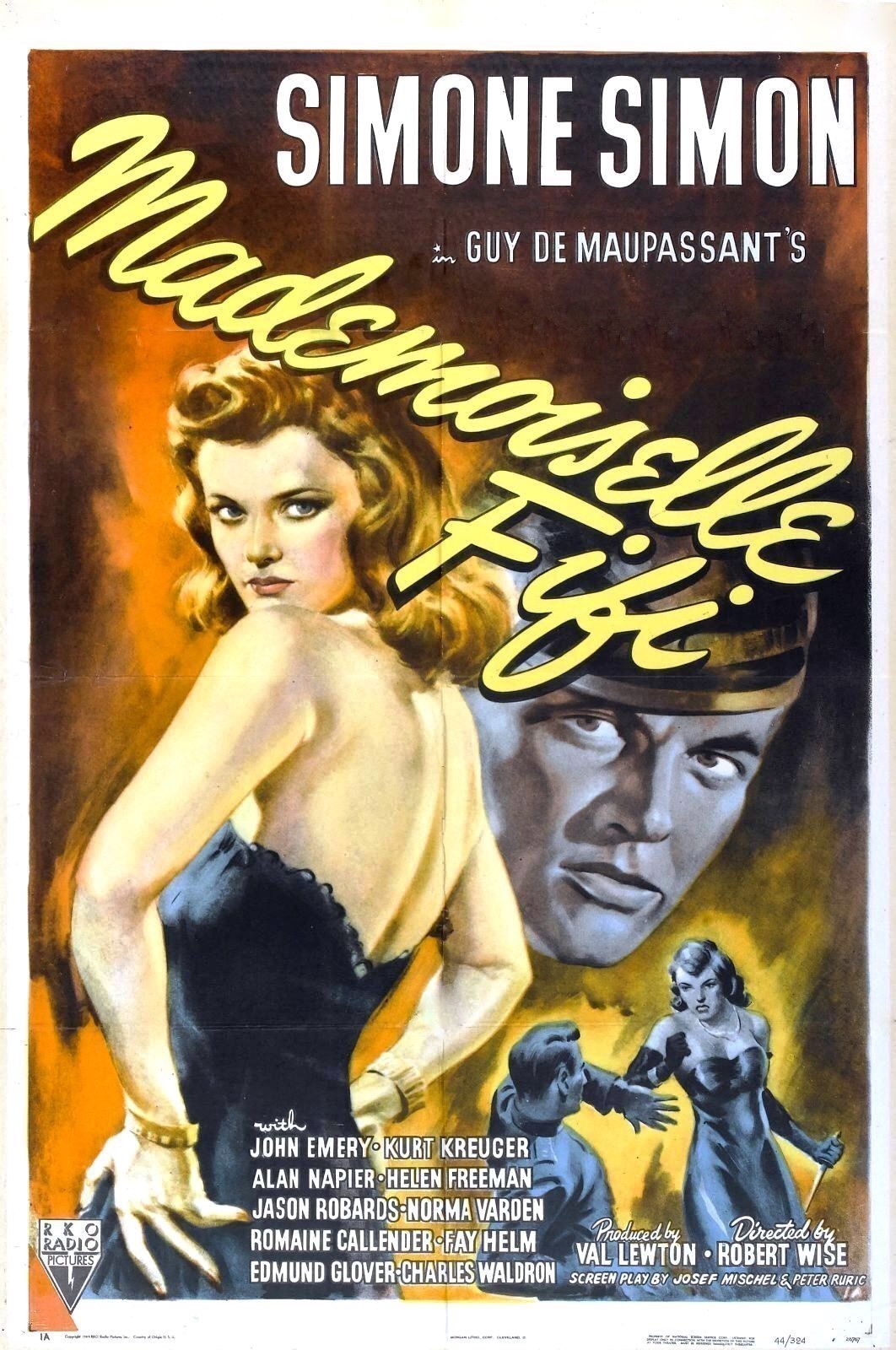
                      • Mademoiselle Fifi is a simple tale of resistance with a strong performance by Simone Simon.
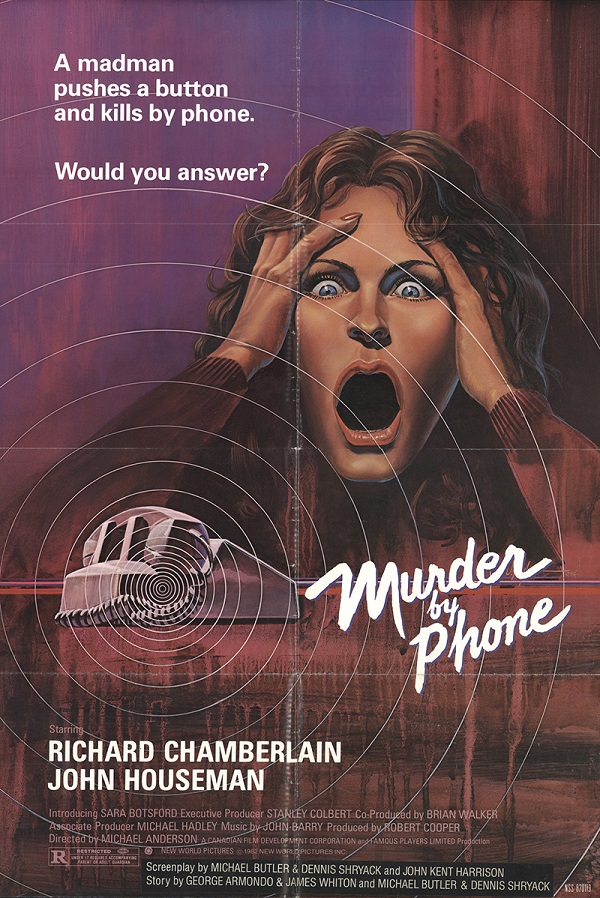
                        • I hated The Car so much that I of course decided to watch another movie by the same screenwriters made just five years later. Murder by Phone is marginally better—if only because the effects, while ridiculously bad, are at least not cheap, and because the acting, while trapped in poorly formed characters and a confused and nonsensical plot, is at least mostly consistent. But it’s still a very lousy movie.

                        I also rewatched The Shawshank Redemption, which I’ve seen a bunch of times, but not start to finish recently; Halloween II, which benefits by probably being the least bad of the bad Halloween movies, but which is still very bad; and The Night of the Hunter, which is just a really fantastic, sometimes almost surreal and dreamlike, thriller.

                        Weekly Movie Roundup

                        I watched 6 movies last week:

                        House of Evil The Hitcher Dark Night of the Scarecrow
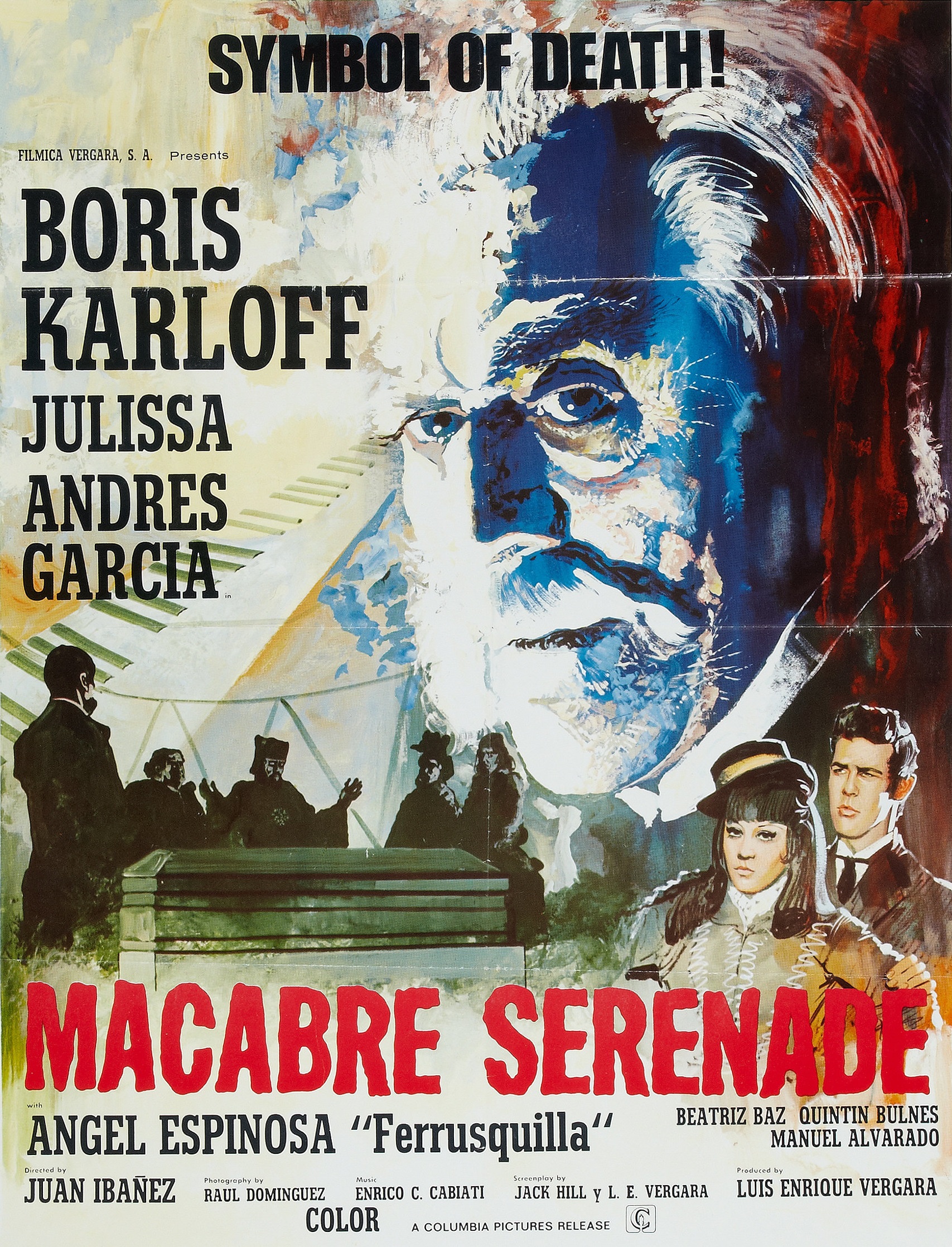
                        • To call House of Evil (or the handful of other names by which it’s called) a Boris Karloff movie is being far too generous. Actually, calling it a movie at all may be as well. Confusingly chopped together, ponderously slow, dubiously dubbed, and never convincingly interesting or scary, this is one of four Mexican horror movies Karloff leant a few weeks of his acting talents to in the year before his death. While his performance is easily the best part of the movie, it’s not his finest work, lasts for only a brief handful of half-formed scenes, and doesn’t feel much connected to the rest—which is a weak riff on killer toys.
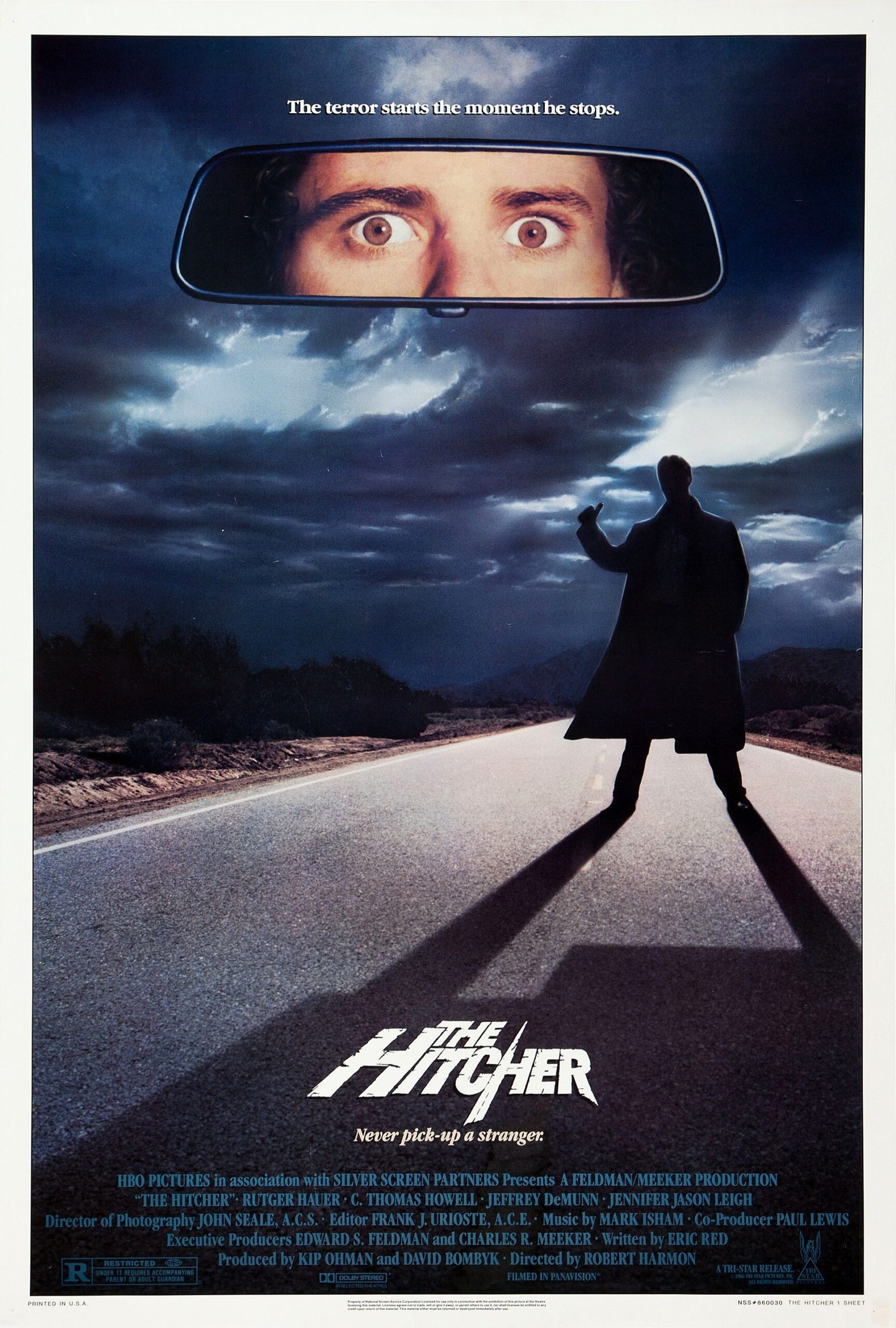
                          • Roger Ebert called The Hitcher “diseased and corrupt,” which I think is a bit much. But even if I didn’t find the movie as morally reprehensible as he seemed to, it is a nasty piece of work—sometimes beautifully shot against the open natural landscape, but often more cruel than clever or tense, taking a plot that worked much more effectively with a faceless menace in something like Duel and muddling it.
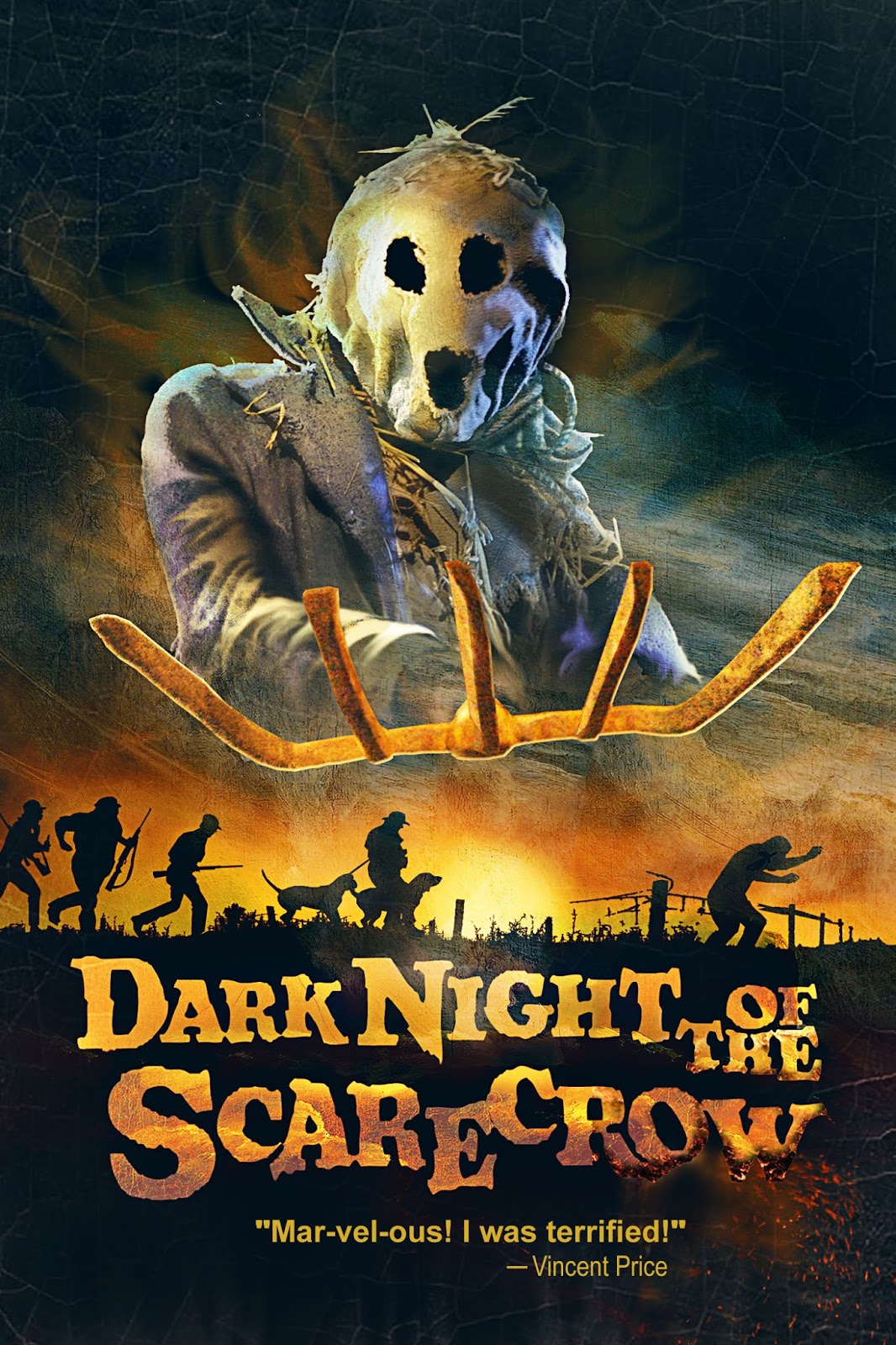
                            • Dark Night of the Scarecrow is surprisingly good, and it’s amazing for a 1981 network television movie. There are a few moments when it stumbles a little, where it might have benefitted from a feature-film budget, but it does a lot with very little, building tension just through the story and performances, particularly from Charles Durning.
                            Miroirs No. 3 Bird Evil Dead Burn
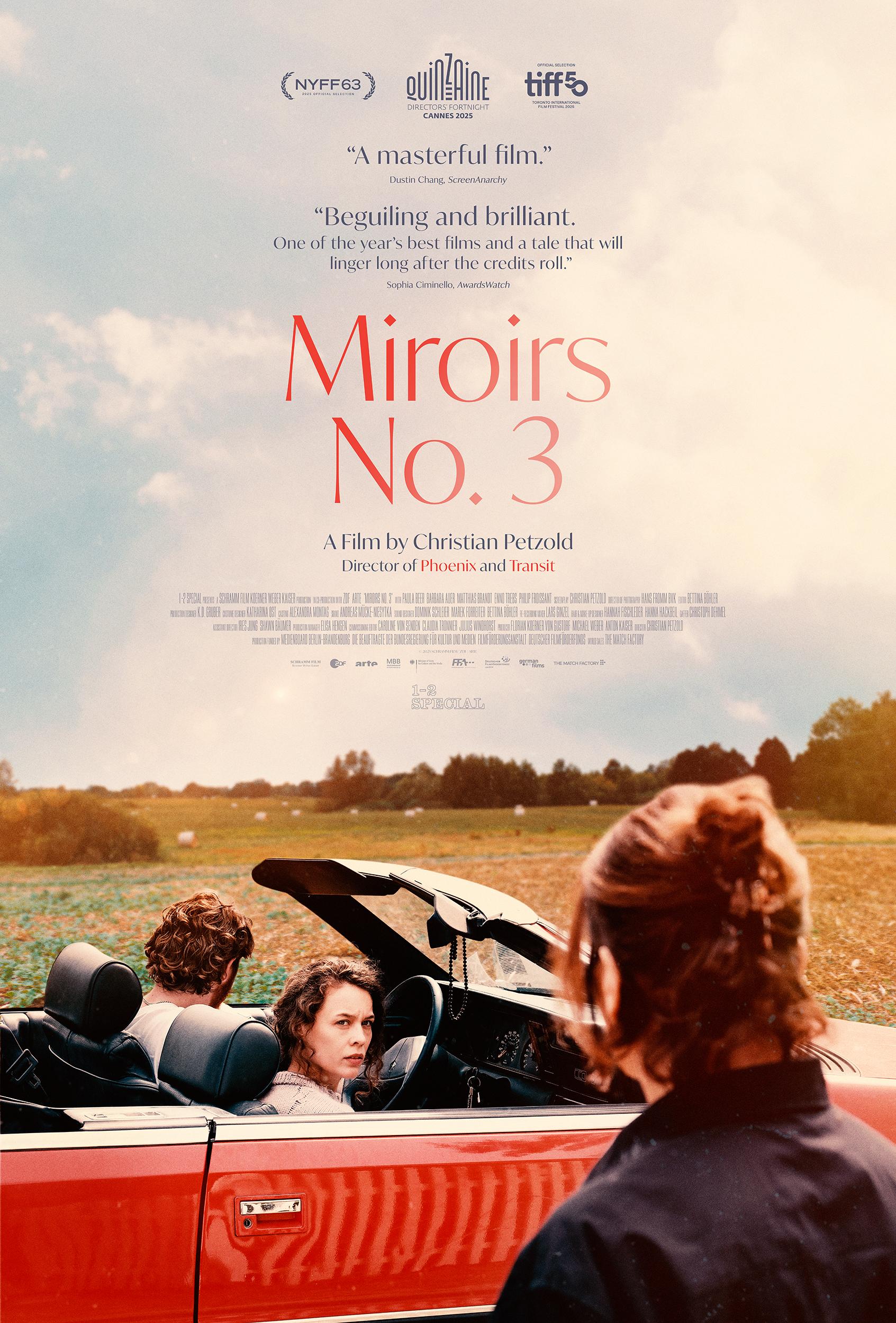
                            • Miroirs No. 3 is odd, often unsettling or unclear, but I feel like that’s sort of the point. It’s a contemplative chamber piece of a movie—literally in its last scenes—and while it doesn’t resolve anything, it does give you a glimpse into the interiority of these characters.
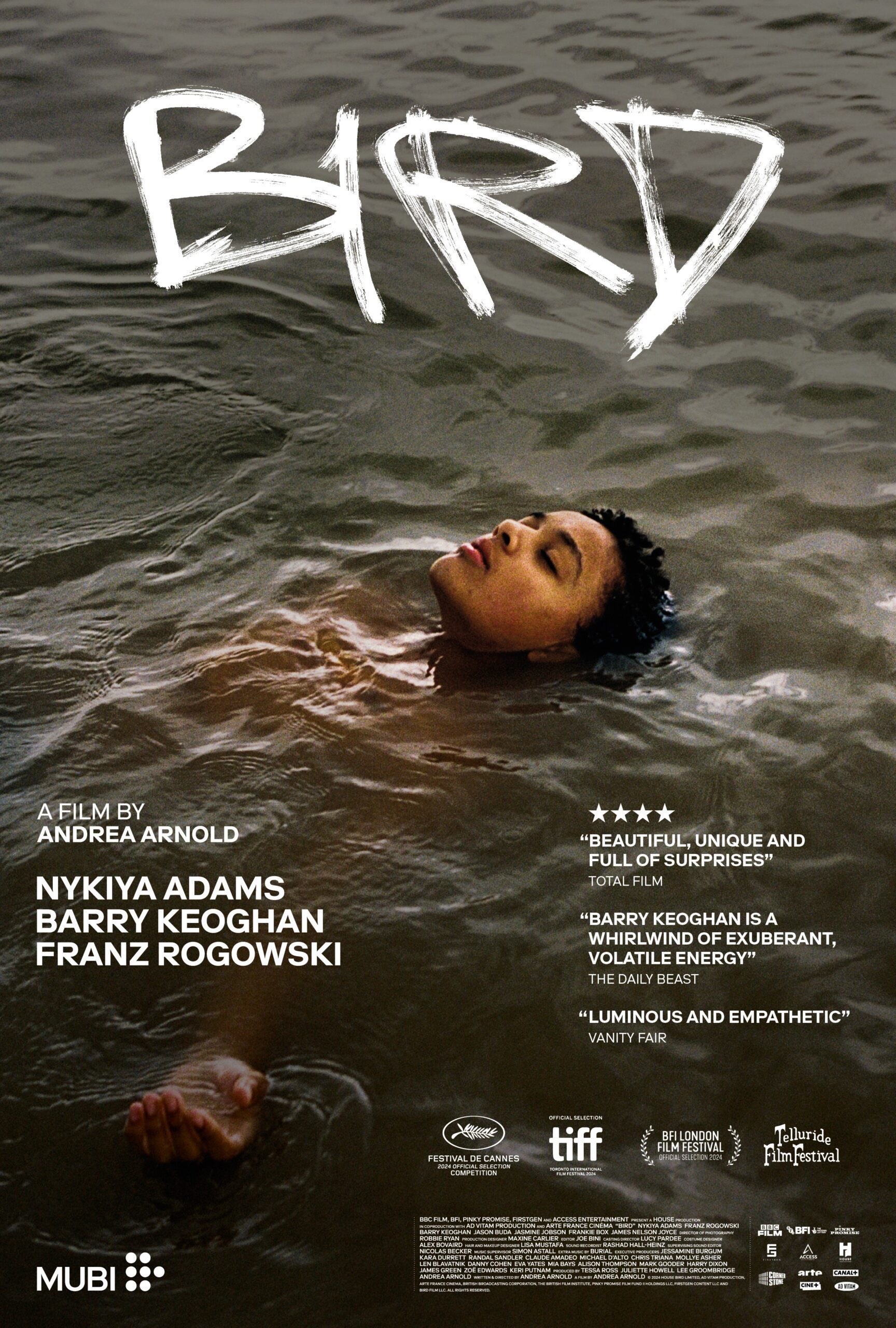
                              • I’m not sure Bird always works, in its weird blend of fantasy and reality, but there’s a strong central performance from newcomer Nykiya Adams, and the movie treats characters usually left at the margins with real understanding and empathy.
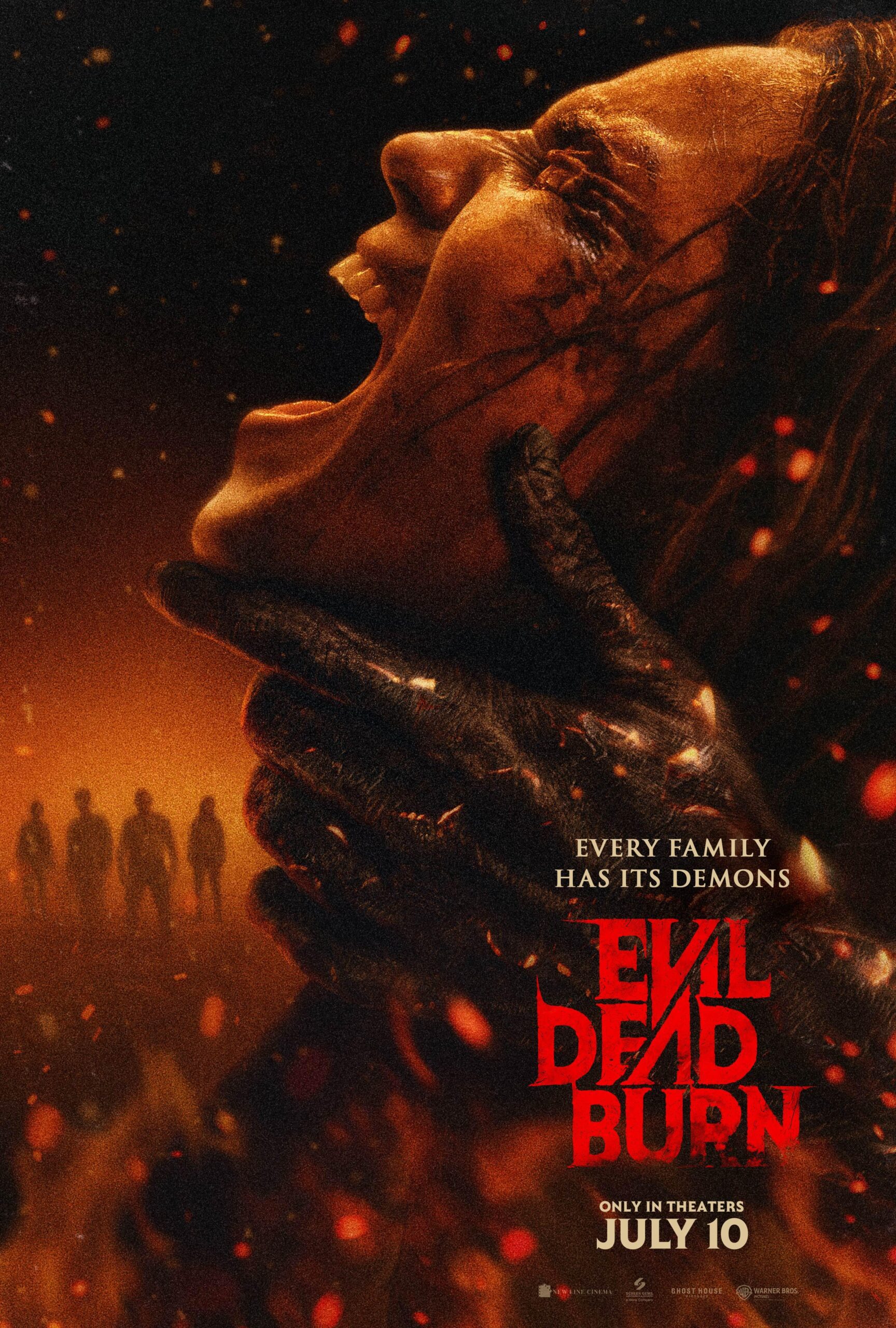
                                • I didn’t have high hopes for wrote Brian Tallerico, “replaced by relentless bodily devastation that occasionally winks at the audience in a can-you-believe-there-are-sickos-that-thought-of-this manner. It gets exhausting early.”

                                I also rewatched 6 movies, all of them horror movies:

                                • The Fog—What it maybe lacks in story, it makes up for and the some in an atmosphere of dread and well-drawn characters.
                                • Hellraiser—I’m not the biggest fan of the series as it progressed, and I think this initial outing isn’t always successful, but there is something to the bloody and transgressive viciousness of it that suggests Barker was best equipped to bring his visions to the screen.
                                • Halloween—I love the simple and quiet simplicity of this movie, and there’s a reason it’s still one of my favorite horror movies of all time.
                                • Lake Mungo—I’m not sure everything here works, and in the end some of it feels like it was just there for misdirection’s own sake, but it’s an expertly crafted scary movie, and, weirdly, one that doesn’t leave you feeling scared.
                                • The Descent—It’s tense and terrifyingly claustrophobic, but I feel it becomes significantly less interesting once the monsters show up.
                                • Carnival of Souls—I don’t think it’s the movie’s fault that you can see the twist coming several miles away; it just subtly influenced a lot of filmmakers going forward. It’s still a beautifully shot movie, full of ethereal and haunting images and score.

                                Weekly Movie Roundup

                                I watched 6 movies last week:

                                The Chronology of Water Sound of Falling Wuthering Heights
                                • The Chronology of Water is challenging and upsetting and disjointed—very much, as Sheila O’Malley wrote in her review about how “old memories ambush us in the present” and how the trauma of them “obliterate linearity.” It’s a complicated, but phenomenal work, a remarkably self-assured first feature from Kristen Stewart, with some fantastic performances, not least from Imogen Poots.
                                  • Sound of Falling is slow to reveal itself, and entrusts its audience to follow its nonlinear path, shuffling back and forth between decades and characters, leaving you with impressions of characters—some of whom vanish entirely, or are only mentioned in passing in the generations that follow. It’s complicated and impressionistic but also an incredibly well told glimpse at nearly a century of young women.
                                    • I’m very much of two minds about Emerald Fennell’s Wuthering Heights, which is vibrant and mad, trading faithful adaptation for a boldly colorful fever dream full of fun dialogue and performances…until the last third, when Heathcliff returns, and the characters turn mostly unpleasant, and the film stopped working for me at all.
                                    The Testament of Ann Lee Teenage Sex and Death at Camp Miasma Eleanor the Great
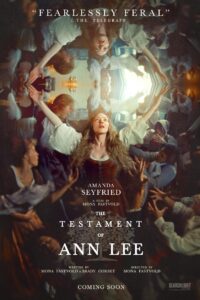
                                    • The Telegraph‘s description of The Testament of Ann Lee, quoted on the movie poster, as “fearlessly feral,” seems apt, and there’s certainly a ferocity to the titular performance by Amanda Seyfried, who has arguably never been better. And yet I also felt like the film kept me at arm’s length, asking me to witness the rise of the Shakers and Ann Lee’s spirituality rather than understand it.
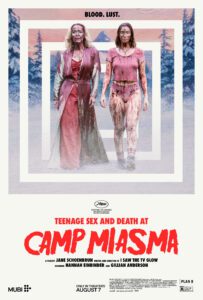
                                      • Teenage Sex and Death at Camp Miasma is a lot of things, many of them brilliant, but it is not subtle. It’s loud and frenzied and messy, in the way that a lot of great art is, and in a way that often but didn’t always work for me personally. I don’t think it’s as effective, much less as disciplined, as
                                        Jane Schoenbrun’s previous film, I Saw the TV Glow, but it’s clearly as much of a passion project for them, and the interplay of slasher horror and sexual awakening, combined with more meta-jokes than you can shake a machete at, is definitely a wild and bloody ride.
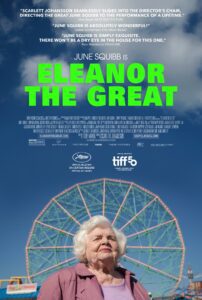
                                        • Eleanor the Great is a little contrived, and maybe a little too pat, but June Squibb is frankly fantastic, even when you’re invited not to like her character very much. It’s an impressive, if not extraordinarily so, directing debut from Scarlett Johansson.

                                        I also rewatched They Live, which probably isn’t in my top five John Carpenter movies, but is definitely in the top ten, and Spider Baby, which I don’t think is a good movie, but which is too weird too be called bad.